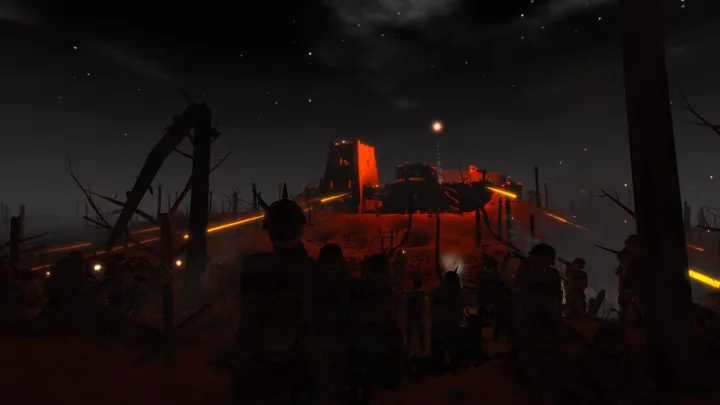






Look Outside is more than a simple title; it is an invitation, a warning, and a philosophy wrapped into a modern interactive experience. As a hot game gaining attention among indie and experimental gaming communities, Look Outside challenges players not only to play, but to reflect. It asks a simple question—what happens when you finally look outside?—and builds an entire gameplay loop around tension, curiosity, and restraint.
This expert-written article explores Look Outside in depth, explaining how to approach the game, why it resonates with modern players, its strengths and weaknesses, and what it represents in the evolution of interactive entertainment. With structured analysis, pros and cons, ratings, and strategic insights, this guide is designed for players who want more than surface-level excitement.
1. The Origin and Concept of Look Outside
A Title That Sets the Tone
The name Look Outside immediately creates unease. Unlike flashy titles, it relies on implication rather than explanation. From the very beginning, the game positions curiosity as both the core mechanic and the primary danger.
Developed during a period when minimalistic psychological games were gaining traction, Look Outside quickly stood out as a hot game due to its restraint and atmosphere rather than complex systems or flashy mechanics.
Inspirations Behind the Game
The concept draws heavily from psychological horror, liminal spaces, and the human fear of the unknown. Instead of showing monsters, the game lets imagination do the work.
Key inspirations include:
- Psychological horror traditions
- Minimalist indie design philosophy
- Curiosity-driven narrative structures

2. First Impressions and Early Gameplay
The Opening Moments
When starting Look Outside, players are given very little information. This design choice is intentional. The game teaches players how to observe rather than react impulsively.
The environment feels quiet, controlled, and unsettling. There are no immediate threats, which paradoxically makes the experience more tense than traditional horror games.
Learning Through Absence
Unlike most games, Look Outside removes tutorials and guidance. This absence forces players to rely on instinct and emotional awareness instead of mechanics.
Early gameplay focuses on:
- Silence and subtle sound cues
- Small environmental changes
- Player hesitation as a mechanic
3. Core Gameplay Mechanics Explained
Observation Over Action
The central mechanic of Look Outside is observation. Progress is often made by waiting, watching, and deciding whether action is necessary at all.
This is a radical departure from action-heavy titles and a major reason the game stands out as a hot game in a crowded market.
Consequences of Curiosity
Looking outside is never neutral. Each decision carries long-term consequences, reinforcing tension and making players question their own instincts.
Core mechanics include:
- Delayed outcomes
- Permanent narrative shifts
- Minimal forgiveness for mistakes
4. Narrative Structure and Storytelling
Environmental Storytelling
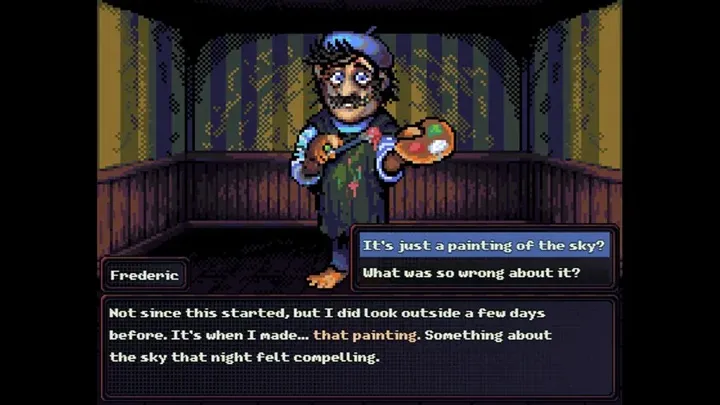
Look Outside avoids traditional dialogue and exposition. Instead, story elements are embedded in the environment itself.
Players slowly piece together meaning through visual clues, audio distortions, and subtle changes in atmosphere, making storytelling deeply personal.
Interpretation Is the Story
There is no single “correct” interpretation. Each player forms their own understanding, which drives community discussion and theory-building.
Narrative strengths include:
- Symbolic imagery
- Ambiguous events
- Player-driven meaning
5. Psychological Impact on Players
Fear Through Anticipation
The fear in Look Outside comes from waiting, not reacting. The game builds tension by denying certainty.
This slow psychological pressure makes the experience emotionally intense, even without traditional horror elements.
Emotional Engagement
Players constantly debate whether they should look outside or remain safe. This internal conflict becomes the true challenge.
Common emotional responses include:
- Heightened anxiety
- Curiosity-induced stress
- Lingering unease after play sessions

6. Pros of Look Outside
What the Game Does Exceptionally Well
Look Outside excels at atmosphere and originality. It proves that a hot game does not need loud action or complex systems to be memorable.
Its minimalist design strengthens immersion and allows emotional tension to dominate the experience.
Main advantages:
- Powerful psychological tension
- Unique and memorable concept
- High replay and discussion value
7. Cons of Look Outside
Potential Limitations
The same qualities that make Look Outside special may turn some players away. It demands patience and emotional engagement.
Players who prefer fast-paced action or clear objectives may feel frustrated or lost.
Main drawbacks:
- Slow pacing
- Ambiguous progression
- Niche appeal

8. How to Play Look Outside the Right Way
Beginner How To Tips
Understanding how to approach the game mentally matters more than mastering controls. The game rewards patience and restraint.
Rushing decisions often leads to regret, reinforcing the game’s central theme.
Expert Advice
Experienced players recommend embracing uncertainty rather than fighting it.
Helpful tips include:
- Do not rush decisions
- Listen carefully to sound cues
- Accept not knowing everything
9. Rating Look Outside as a Hot Game
Expert Evaluation
From a professional perspective, Look Outside succeeds as an experimental psychological experience rather than a traditional game.
Overall Rating: 8.5 / 10
Category breakdown:
- Atmosphere: 9.5 / 10
- Innovation: 9 / 10
- Accessibility: 6.5 / 10
- Replay Value: 8 / 10

10. The Future and Legacy of Look Outside
Influence on Indie Games
Look Outside represents a shift toward introspective design. Its success as a hot game proves players are open to slower, more thoughtful experiences.
Future indie titles may adopt similar restraint-based mechanics and psychological depth.
Lasting Impact
The game will likely be remembered not for what it shows, but for what it makes players feel.
Its legacy includes:
- Encouraging experimental design
- Promoting emotional storytelling
- Challenging traditional gameplay expectations
Conclusion
Look Outside is a powerful reminder that games do not need explosions or constant action to leave a lasting impression. By understanding how to approach its slow, deliberate design, players can appreciate why it stands out as a hot game in the modern indie landscape. It is an experience built on patience, curiosity, and the fear of what lies just beyond sight.