Goose Goose Duck – When Social Deduction Becomes Narrative Warfare
Goose Goose Duck is often compared superficially to other social deduction games, but such comparisons miss its most defining characteristic: extreme role density. Where traditional deduction games rely on limited information and binary alignments, Goose Goose Duck overwhelms players with asymmetric knowledge, overlapping abilities, and hidden rule exceptions. This article examines how the game shifts the core challenge away from pure logic and toward narrative dominance, where winning depends on controlling conversations, expectations, and perceived credibility rather than uncovering objective truth.
1. The Opening Lobby and the Illusion of Fair Information
At the start of each match, players believe they understand the rules.
Roles are assigned, objectives are explained, and the interface suggests clarity. However, this clarity is deceptive.
Each role introduces private rules that fracture shared understanding, ensuring no two players experience the same game.
2. Role Density as a Structural Design Choice
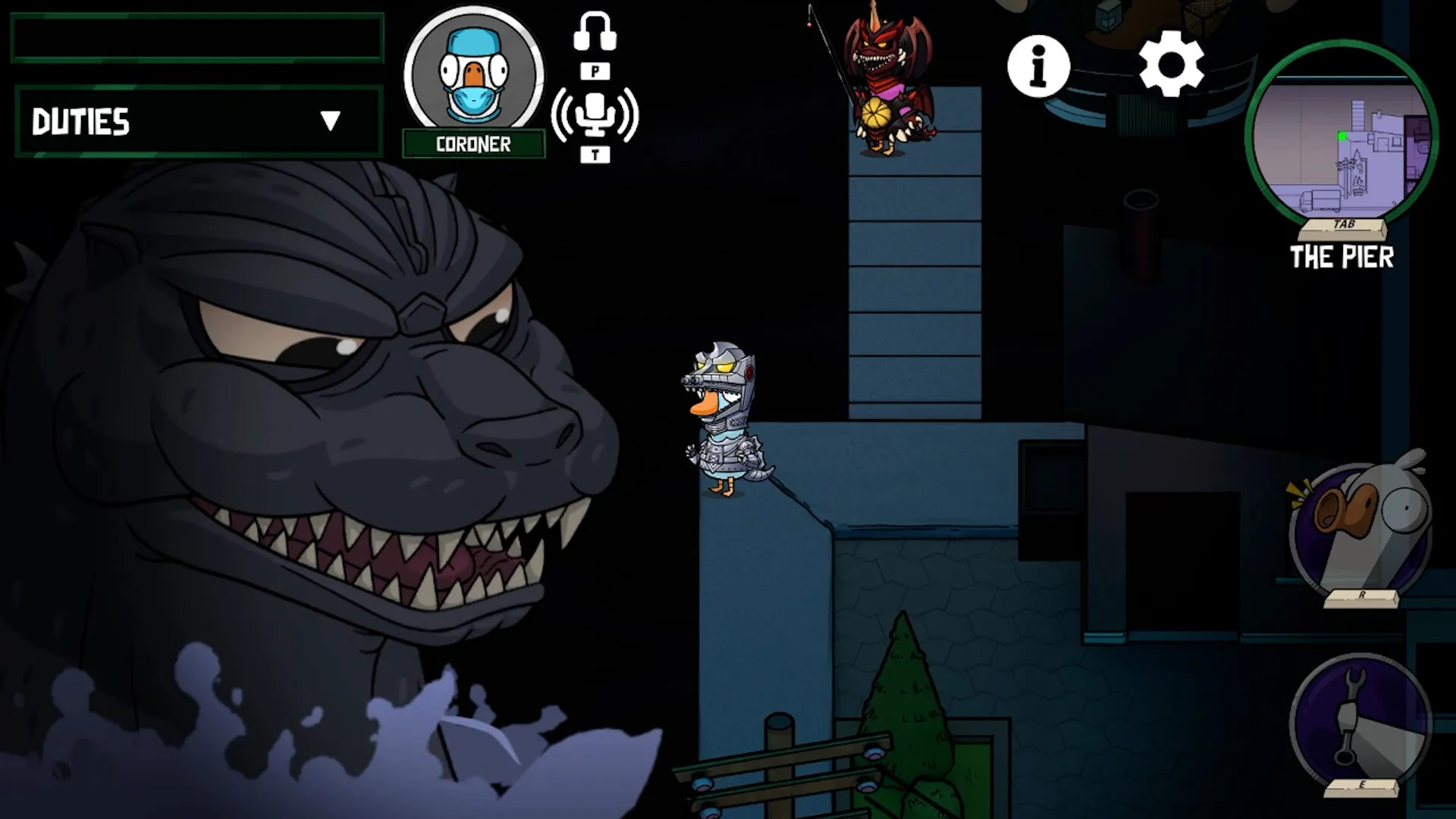
Goose Goose Duck features an unusually high number of roles.
This density is not cosmetic; it fundamentally destabilizes deductive certainty.
Overlapping mechanics
Multiple roles can explain the same behavior, making logical elimination unreliable.
3. Information Asymmetry Outpaces Logical Deduction
Players possess unequal, unshareable knowledge.
Even honest communication fails because others cannot verify claims.
Private truth problem
Truth becomes indistinguishable from deception.
4. Meetings as Narrative Battlegrounds
Meetings are not about evidence aggregation.
They are about framing events, assigning meaning, and guiding suspicion.
Story over facts
The most persuasive narrative often overrides factual accuracy.
5. How Neutral Roles Destabilize Binary Thinking
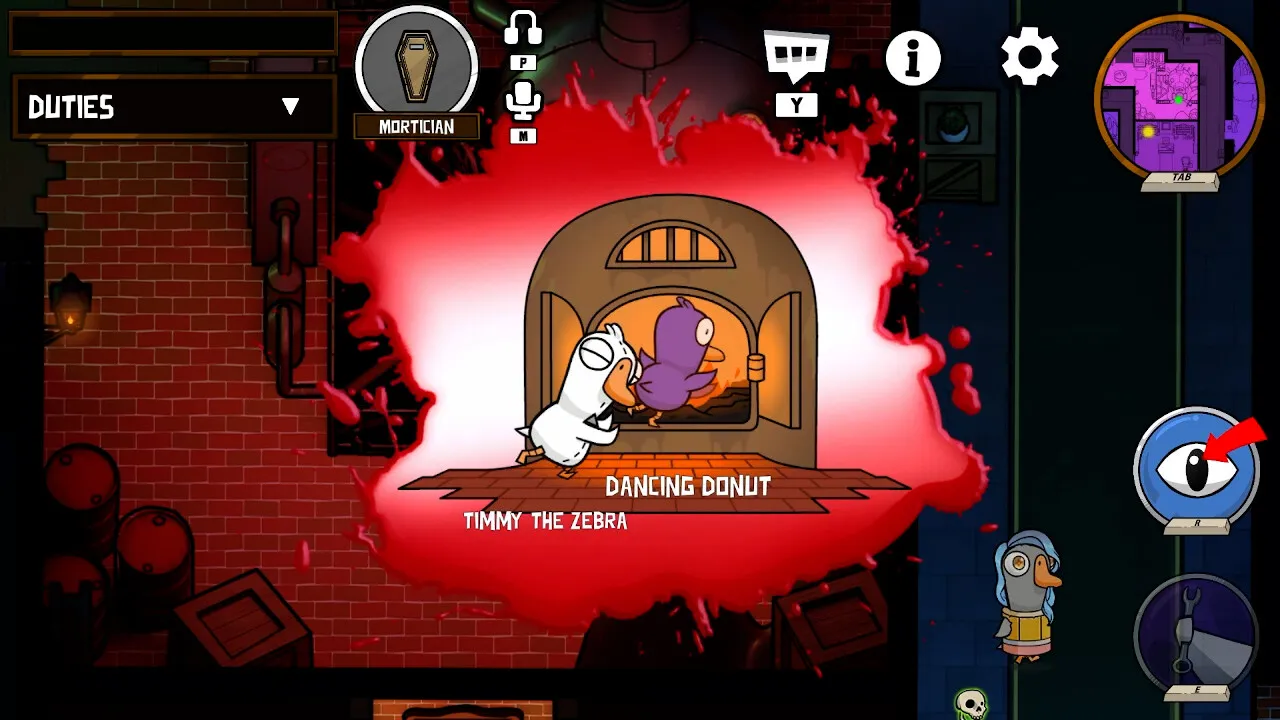
Neutral roles break the Goose versus Duck dichotomy.
Their win conditions introduce hidden agendas that distort behavior interpretation.
Third-party interference
Neutral actions mimic both innocence and guilt.
6. Ability Timing Creates Plausible Deniability
Many abilities activate off-screen or asynchronously.
This allows players to construct alibis without direct contradiction.
Temporal ambiguity
Timing uncertainty weakens eyewitness testimony.
7. The Death of Reliable Alibis
Traditional alibis lose value.
Teleportation, disguises, and vision manipulation invalidate spatial logic.
Location irrelevance
Presence no longer proves innocence.
8. Psychological Profiling Replaces Deduction
Players begin reading tone, hesitation, and social patterns.
Skill shifts from logic to emotional intelligence.
Meta-social play
Understanding players matters more than understanding rules.
9. Manipulation as a Legitimate Skill Expression
Winning players actively steer group perception.
They seed doubt early and reinforce it gradually.
Soft influence
Control is exerted subtly, not forcefully.
10. Why Truth Loses Power in Goose Goose Duck
Objective truth exists but is unreachable.
The game rewards belief management rather than revelation.
This design defines its chaotic, narrative-driven identity.
Conclusion
Goose Goose Duck transforms social deduction into a contest of narrative authority. By overwhelming players with roles, asymmetric information, and unreliable signals, it dismantles traditional logic-based deduction. Victory belongs not to those who uncover the truth, but to those who convincingly define it. In this environment, persuasion eclipses evidence, and storytelling becomes the game’s most powerful mechanic.