 pingameh5.com
How to Play The Isle – A Beginner’s Guide to Surviving as a Prehistoric Apex
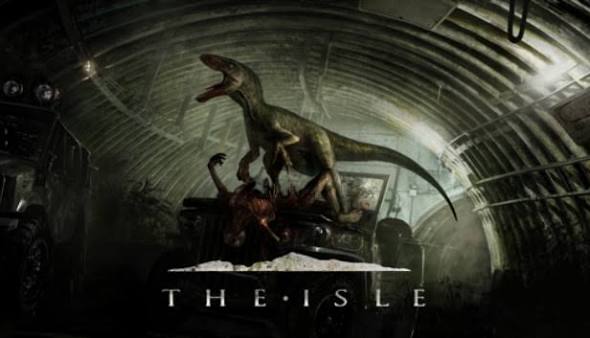
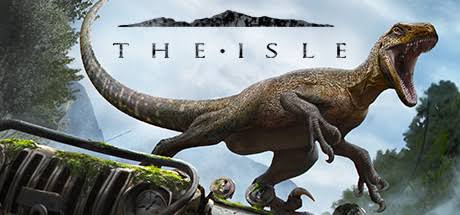
Hardcore survival simulation games have become increasingly popular because they allow players to enjoy continuous progression while mastering unforgiving, realistic ecosystem mechanics. The Isle takes this concept further by transforming a vast, lush island into a brutal open-world battleground where your juvenile dinosaur hunts for food,manages metabolic nutrients, and avoids ruthless apex predators. Unlike traditional survival titles with artificial crafting menus, The Isle features immersive animal behavior and realistic growth stages that change every life cycle, making every spawn a unique survival test.
Although the game provides simple controls during initial spawning, many beginners quickly hit progression walls because they sprint aimlessly or misunderstand core diet mechanics. Knowing how to manage stamina, strengthen your dinosaur's growth, and prepare for encounters with aggressive carnivores can dramatically increase your efficiency. This guide explains how to play The Isle step by step, covering everything from your first juvenile spawn to advanced apex survival strategies.
Choosing Your Starting Species and Spawning
When you first enter a server in The Isle, your primary focus should be selecting a suitable dinosaur species and spawn location. The game divides playable creatures into herbivores and carnivores, each offering distinct playstyles, movement speeds, and dietary requirements. Choosing a species that aligns with your preferred playstyle determines how smoothly your early game progression unfolds.
Before spawning in, take time to check server rules and map regional layouts. Avoid choosing massive apex carnivores like Tyrannosaurus or Deinosuchus on your first playthrough, as their slow growth cycles and high food requirements punish small mistakes. Selecting agile mid-tier dinosaurs gives you a massive advantage when learning map navigation and food gathering mechanics.
Essential Initial Steps
- Select a species matching your preferred survival difficulty.
- Pick a starting spawn region with abundant food sources.
- Familiarize yourself with basic vocalization and movement keys.
- Locate nearby water sources using scent mechanics immediately.
- Group up with friendly players of the same species.
Understanding the User Interface and Scent Mechanics
Navigating The Isle’s minimal interface efficiently is critical during tense survival encounters. The screen displays your health, stamina, hunger, thirst, and active growth percentage. Learning how to manage your stamina bar ensures you never exhaust yourself during an unexpected predator attack.
Beyond basic meters, understanding the scent tracking system dictates your survival speed. Holding the scent key highlights nearby water sources, plant locations for herbivores, and blood trails or rotting corpses for carnivores.Spending time mastering scent tracking saves costly navigation mistakes in dense forest zones.
Important Survival Meters
- Health Meter
- Stamina Reserve
- Hunger Counter
- Thirst Level
- Growth Percentage
- Active Diet Buffs
Navigating the Map and Locating Fresh Water
Progressing through the early juvenile stage requires finding reliable water sources without exposing yourself to danger.Fresh water is essential for all species, but popular rivers and lakes are frequently patrolled by massive crocodilian ambushers.
Transition from open riverbanks to hidden streams or upper mountain pools whenever possible. Drinking alongside other players while maintaining a constant watch over deep water edges reduces your risk of being dragged under by submerged predators.
Safe Navigation Route
- Juveniles: Hidden forest streams and mountain trickles.
- Sub-Adults: Secondary river tributaries and forest ponds.
- Adults: Major river systems and central lake zones.
Managing Your Diet and Nutrient Buffs for Fast Growth
Every time your dinosaur eats, your metabolic diet slots fill with specific nutrient types that dictate your growth speed and stat scaling. Assigning these nutrient slots randomly dilutes your growth efficiency and leaves your creature weak against fully grown rivals.
Early on, prioritize filling all three nutrient slots with optimal food types to trigger maximum growth speed bonuses. Once your dinosaur reaches higher growth percentages, maintaining balanced nutrient intake enhances health recovery rates,stamina reserves, and night vision distance.
Diet Management Focus
- S-Nutrients: Boosts overall growth speed and bone healing.
- Line Nutrients: Enhances maximum stamina and health recovery.
- Dot Nutrients: Increases night vision clarity and bleed resistance.
Unlocking Night Vision and Using Stealth Mechanics
While physical strength defines apex encounters, basic stealth and vision controls provide essential protection for vulnerable juveniles. Nighttime on the island brings pitch-black darkness where predators actively hunt using enhanced thermal or night vision modes.
Utilizing crouch walking, bush hiding, and toggling night vision mode adds crucial depth to your survival loadout.Resting in thick foliage while matching your skin coloration to the environment gives your juvenile dinosaur versatile protection from passing hunting packs.
Key Survival Mechanics
- Crouch walking to silence footprint audio cues.
- Resting in dense bushes to accelerate growth speed.
- Activating night vision to spot stalking carnivores.
- Sniffing the wind to detect oncoming scent trails.
Avoiding Dangerous Apex Predators and Ambushers
Mid-game progression centers around avoiding territorial adult carnivores while expanding your foraging grounds. Large predators patrol open fields and major water bodies, requiring constant environmental awareness to survive.
Detecting predators early allows you to retreat into dense cover before they catch your scent. Keep track of warning calls and distant footstep vibrations to dodge aggressive packs continuously.
Predator Avoidance Checklist
- Avoid sprinting across wide open plains unnecessarily.
- Listen for distant roars and heavy footstep audio.
- Check water surfaces carefully before drinking.
- Use dense tree lines as natural escape routes.
- Rest only when fully hidden in thick vegetation.
Mastering Combat Mechanics and Directional Attacks
Player versus Environment and Player versus Player combat in The Isle relies heavily on directional attacks, turn radius management, and stamina conservation. Button-mashing attacks rarely works against experienced players who know how to flank and bleed out opponents.
Learn to initiate fights with precise headshots or tail bites, chain into quick directional strikes, and manage your stamina pool to prevent exhaustion. Incorporating special species mechanics, such as pounces or charges, allows you to overpower rivals before taking significant damage.
Combat Fundamentals
- Manage turn radiuses to protect your tail from flank attacks.
- Save stamina for strategic retreats or finishing charges.
- Apply bleed damage to force opponents into resting positions.
- Maintain height advantage during hillside engagements.
Avoiding Common Beginner Survival Mistakes
Many new players slow down their progress by making simple resource and movement errors. Sprinting everywhere without keeping an eye on stamina reserves is the most common mistake, often leaving juveniles helpless when predators appear.
Another frequent error is making unnecessary vocal calls. Broadcasting loud roars reveals your exact position to every carnivore in the area, wasting hours of growth progress for no reason.
Mistakes to Avoid
- Roaring loudly while hiding or traveling.
- Sprinting continuously until stamina hits zero.
- Drinking from deep open water without checking for crocs.
- Eating rotting meat without disease resistance buffs.
- Neglecting diet slot combinations.
Utilizing Grouping, Nesting, and Pack Dynamics
Once your dinosaur reaches adult growth stages, you gain the ability to form official packs and nest new hatchlings into the world. Grouping up increases your survival rate exponentially, granting shared scent vision, coordinated hunting capabilities, and combined territory defense.
Additionally, nesting allows fully grown adults to lay eggs and invite new players directly into their pack as hatchlings.This mechanic passes down favorable genetic traits, granting offspring enhanced base stats and unique survival advantages.
Benefits of Group Dynamics
- Shared hunting targets and defense coordination.
- Ability to nest hatchlings with boosted genetic traits.
- Faster recovery rates when resting near group mates.
- Increased intimidating factor against rival packs.
Endgame Apex Domination and Territory Control
Reaching full adult growth unlocks the ultimate endgame experience: territorial dominance and ecosystem control.Joining a massive pack allows you to claim major landmarks, patrol migration zones, and hunt other large apex dinosaurs.
Endgame players spend time fine-tuning combat strategies, guarding pack nests, and maintaining dominant control over rich feeding grounds. Creating strategic pack formations for specific activities ensures your group remains at the top of the island's food chain.
Endgame Survival Steps
- Maintain optimal diet buffs at maximum growth.
- Patrol high-traffic migration paths with your pack.
- Protect juvenile pack members during growth cycles.
- Defend territorial water holes from rival apexes.
- Master species-specific special abilities in combat.
The Isle provides a thrilling survival sandbox for prehistoric enthusiasts and hardcore gamers alike. By understanding how to choose the right species, manage nutrient diets efficiently, navigate map hazards safely, and master high-stakes combat mechanics, you can transform a fragile juvenile into an unstoppable apex predator. Stay patient, observe your surroundings, and continuously refine your survival strategies to rule the island.