Mastering Carnivore Survival in The Isle: The Ultimate Guide to Hunting, Growing, and Surviving as a Predator
Introduction
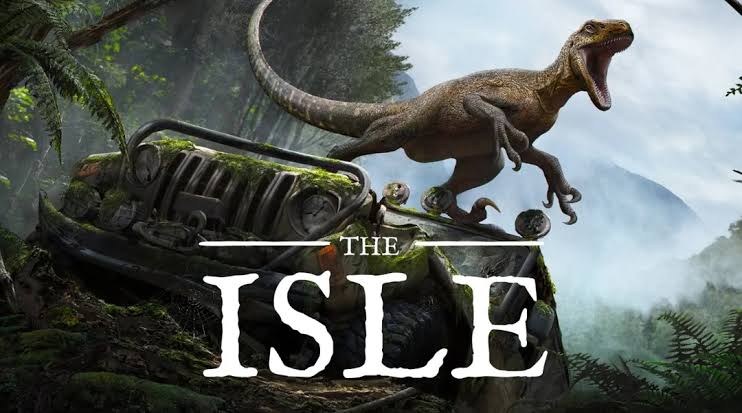
The Isle is a survival game where becoming a dangerous predator requires much more than finding prey and attacking it. Growth takes time, injuries can permanently affect your ability to survive, and a single poorly timed fight can destroy hours of progress. Successful carnivores therefore need to think about stamina, positioning, bleeding, terrain, prey behavior, and escape routes before committing to a hunt.
This guide focuses specifically on mastering carnivore survival in The Isle by improving hunting decisions, managing stamina, controlling engagements, and surviving after fights. The objective is not to explain every dinosaur or basic mechanic, but to develop a reliable predator mindset that helps you grow without constantly gambling your life.
Choosing the Right Hunting Target
Not every animal you encounter should become prey. One of the biggest mistakes new carnivores make is attacking whatever appears closest. Size, health, stamina, location, and escape potential should all influence your decision.
Before committing, evaluate the target:
- Is it isolated from its group?
- Is it already injured?
- Does it have enough stamina to escape?
- Can it reach difficult terrain?
- Can another predator interfere?
An easy meal is often more valuable than a risky kill. A predator that survives consistently will eventually become stronger than one that repeatedly takes unnecessary fights.
Reading Prey Behavior
Experienced hunters study movement before attacking. A healthy animal that constantly checks its surroundings may already know you are nearby, while a distracted target may provide a much safer opportunity.
Watch for changes in direction, sudden sprinting, stamina conservation, and attempts to reach water or dense vegetation. Prey often reveals its intentions before the chase begins. If the target starts moving toward terrain that gives it an advantage, reconsider the engagement rather than following blindly.
Managing Stamina During a Hunt
Stamina is one of the most important resources during a chase. Sprinting continuously may allow you to close the distance quickly, but it can leave you unable to finish the hunt or escape another predator.
Use short bursts of speed instead of maintaining maximum effort constantly. Walk or move at a sustainable pace when the target is not gaining significant distance, then accelerate when the prey makes a mistake. Always consider how much stamina you will have after reaching the target.
Before starting a chase, identify where the hunt could end. If you cannot predict a safe stopping point, the chase may not be worth starting.
Using Terrain to Control the Hunt
Terrain can determine whether a predator wins or loses an engagement. Open areas provide visibility but also give fast prey more opportunities to detect and escape. Forests, vegetation, elevation changes, and narrow routes can reduce visibility and limit movement.
Do not chase prey automatically into terrain that favors it. Instead, attempt to guide the target toward areas where your strengths become more useful. A successful predator does not simply follow prey; it influences where the fight takes place.
Choosing the Moment to Attack
The opening attack is often more important than raw damage. Attacking too early can alert healthy prey and begin a long chase, while waiting for a better angle can create a much easier kill.
Look for moments when the target is vulnerable:
- Low stamina
- Separated from its group
- Recovering from an injury
- Distracted while eating or drinking
- Moving through restrictive terrain
Patience is especially valuable when hunting larger animals. A few extra seconds of observation can reveal weaknesses that were invisible at first.
Do not attack simply because you are close enough. Attack when the situation is favorable.
Understanding Bleeding and Injury Management
Injury management separates careful predators from reckless ones. After successfully damaging prey, many players immediately attempt to repeat the attack without considering their own condition.
After an engagement, create distance and evaluate the situation. Your priority is not always to finish the target immediately. If the prey is bleeding and unable to escape effectively, continuing to pressure it may be unnecessary.
Your own injuries should receive equal attention. A predator that wins a fight but becomes too badly injured to survive afterward has not achieved a meaningful victory.
When your condition deteriorates, disengage before the situation becomes irreversible.
Avoiding Third-Party Predators
A successful kill can attract other predators. The sound and activity surrounding a fight can turn a favorable encounter into a dangerous one.
Before attacking, check your surroundings. Look for signs that another predator may already be nearby. After dealing damage, avoid becoming so focused on the prey that you lose awareness of the environment.
If another predator appears, decide whether the remaining food is worth defending. Sometimes abandoning a kill is the correct survival decision.
Resources can be replaced. Growth and survival time cannot.
Hunting Near Water
Water sources are strategically important because many animals eventually need to drink. This makes them useful locations for observation, but also dangerous areas where multiple predators may gather.
Do not position yourself directly beside the water without an escape plan. Watch the surroundings before approaching and avoid becoming trapped between the water and another threat.
If hunting near water, patience is especially important. Let prey expose itself rather than revealing your position prematurely. A poorly timed attack can cause the target to escape while simultaneously alerting every nearby player.
Solo Hunting Versus Group Hunting
Solo hunting offers independence but limits the size of prey you can safely challenge. Group hunting increases pressure on prey but introduces competition for food and requires better coordination.
When hunting with others, assign responsibilities naturally. One player can pressure the target while another cuts off likely escape routes. Avoid having everyone chase directly behind the same animal because this wastes stamina and gives the prey a predictable path.
Group hunting works best when players control space rather than simply increasing the number of attackers.
Surviving Failed Hunts
Not every hunt should end with a kill. Recognizing failure early is a critical skill.
If prey reaches an area where you cannot safely continue, stop chasing. Continuing simply because you have already invested time creates a common psychological trap. Players become committed to finishing the hunt and eventually run out of stamina or expose themselves to another predator.
Use the following rule:
- If the prey gains a major positional advantage, disengage.
- If your stamina becomes dangerously low, disengage.
- If another predator appears, reassess.
- If your injuries worsen, prioritize survival.
A failed hunt that leaves you alive is still a successful learning experience.
Growing Safely as a Juvenile
Juvenile survival requires a completely different mindset from late-game hunting. Your primary objective should be growth, not dominance.
Avoid unnecessary confrontations and prioritize safe food opportunities. Learn the surrounding terrain, identify water sources, and remember escape routes before attempting dangerous exploration.
As your dinosaur grows, your available options change. Do not assume that because you have survived several hours you are ready to challenge everything nearby. Growth should gradually increase confidence, not eliminate caution.
Learning the Local Environment
Knowledge of the map can be more valuable than raw combat ability. Memorizing water locations, dense vegetation, open fields, dangerous areas, and common predator routes allows you to make better decisions before trouble begins.
Create mental landmarks during every journey. If you become injured, knowing the nearest safe location can determine whether you survive.
Explore during safer periods and avoid unnecessary long-distance travel when your stamina, health, or food situation is poor. Every journey should have a purpose.
Managing Food After a Kill
Getting the kill is only the first stage. You must also decide how and when to consume the reward.
Do not become completely absorbed in feeding. Check the surrounding area regularly and maintain awareness of approaching threats. If another predator arrives, evaluate whether staying is worth the risk.
A large carcass can be valuable, but it can also become a magnet for competition. Eat efficiently, monitor the environment, and leave when the situation becomes unsafe.
Survival is measured by how long you remain alive, not by how much food you can consume from one carcass.
Avoiding Predictable Movement
Predictability makes you easier to hunt. Repeating the same routes, approaching water from identical directions, or always running directly away from danger allows experienced players to anticipate your behavior.
Vary your movement when appropriate. Use terrain to break line of sight and avoid creating obvious patterns.
This is particularly important when you suspect another player is tracking you. Do not make it easy for them to predict where you are going next.
Handling Dangerous Encounters
When confronted by a stronger predator, immediately evaluate your options. Fighting may not always be the best response.
Consider:
- Your current health
- Your stamina
- Terrain
- Enemy size
- Nearby escape routes
- Whether additional predators may arrive
If the opponent has a major advantage, survival should become the priority. Breaking line of sight, reaching favorable terrain, or simply creating enough distance can turn a losing encounter into a successful escape.
Knowing when not to fight is one of the most important skills in The Isle.
Endgame Predator Discipline
As your dinosaur becomes larger and stronger, confidence naturally increases. Unfortunately, this is also when many players become careless.
A mature predator has more to lose than a juvenile. Hours of growth can disappear because of one unnecessary confrontation.
Continue evaluating fights even when you have the physical advantage. Avoid unnecessary injuries and choose battles where the reward clearly justifies the risk.
The strongest predator is not the one that attacks everything. It is the one that survives long enough to control its territory.
Building a Complete Predator Routine
A reliable routine makes survival more consistent. Start by checking your condition, food, water, stamina, and surroundings before leaving a safe location.
When hunting, observe first, approach carefully, attack only when conditions are favorable, and disengage immediately when the risk becomes unacceptable.
After every major encounter, reset your priorities. Recover, evaluate injuries, relocate if necessary, and prepare for the next opportunity.
This cycle creates a sustainable hunting system:
- Observe
- Track
- Position
- Attack
- Disengage
- Recover
- Reassess
The more consistently you follow this process, the fewer unnecessary deaths you will experience.
Conclusion
Mastering carnivore survival in The Isle is ultimately about controlling risk. Hunting skill matters, but patience, stamina management, terrain awareness, injury control, and target selection matter just as much. By choosing vulnerable prey, controlling where engagements happen, avoiding unnecessary fights, and knowing when to abandon a hunt, you can turn your dinosaur into a much more reliable predator. The goal is not to win every encounter. The goal is to survive enough successful encounters to keep growing, learning the map, and becoming increasingly difficult to kill.