.webp)


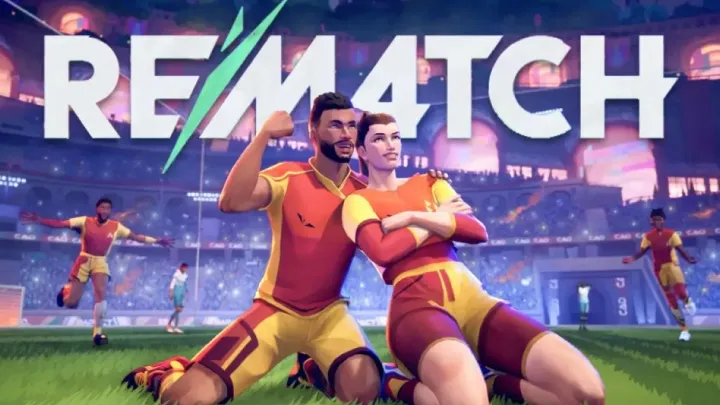
Rematch stands as a vivid representation of the modern competitive gaming landscape, where players engage in fast-paced matches that blend strategy, skill, and social interaction. As a platform that draws players into its competitive ecosystem, the game's success hinges on its ability to maintain a balanced environment that promotes fair play and community involvement. However, one significant issue plaguing Rematch is the challenge of balancing community needs with gameplay mechanics. This article delves into the intricacies of community engagement within Rematch, examining the impact of player feedback on game balance, the evolution of its mechanics, and the ongoing dialogue between developers and players.
Introduction to Rematch
A Unique Gaming Experience
Rematch combines elements of traditional competitive gaming with new-age mechanics, offering players an immersive experience that emphasizes not only skill but also interaction within a community. Players are required to strategize and execute their plans while adapting to real-time changes in gameplay. The game is structured around a series of matches that allow for progression, tournament-style play, and various competitive modes, catering to both casual and hardcore gamers.
The Importance of Community
The game’s focus on community engagement is crucial. Players often turn to forums, social media, and streaming platforms to share their experiences and provide feedback. As with any competitive game, balancing community desires and gameplay integrity can prove to be a daunting task. Understanding players' sentiments can significantly shape how the game is perceived and played, driving the need for an effective communication channel between developers and gamers.
The Challenges of Game Balance
Defining Game Balance
Game balance refers to the fairness of gameplay mechanics, including character abilities, weapon effectiveness, and player interaction. An elegantly balanced game ensures that no single element dominates the experience, allowing for diverse strategies and tactics. Rematch, while a competitive platform, has faced friction in achieving this balance.
The Impact of Imbalance
When specific mechanics become disproportionately powerful, it can lead to frustration among players. For instance, if certain characters or items are significantly more effective than others without proper counters, it creates an uneven playing field. Players may feel compelled to use overpowered setups to remain competitive, leading to diminished creativity and enjoyment.
Community Feedback Mechanisms
Gathering Feedback
Developers often rely on various methods to gather community insights, including surveys, forums, and social media interactions. These avenues provide players a platform to voice their opinions on balance issues and suggest improvements. In Rematch, this feedback loop has been crucial in shaping game mechanics and addressing player concerns.
Analyzing Player Concerns
By analyzing players' feedback, developers can identify common themes. For example, if multiple players report frustration with a specific character's abilities, it prompts developers to investigate. However, distinguishing between genuine balance concerns and players’ subjective experiences can be challenging, requiring careful consideration and analysis.
The Role of Developers in Balancing Gameplay
Developer Responsiveness
The responsiveness of developers to community feedback plays a pivotal role in maintaining game balance. Regular updates addressing player concerns can restore confidence and ensure players feel heard. Rematch developers have committed to updating mechanics based on community inputs, signaling their dedication to improving the game environment.
Balancing Changes
Whether it's adjusting character stats, modifying gameplay mechanics, or introducing new characters to counterbalance existing ones, developer decisions significantly impact how players engage with the game. It’s crucial for developers to communicate openly about what changes they are considering and the reasoning behind those changes, which fosters trust within the community.
Mechanic Evolution Over Time
Historical Changes
Rematch has undergone several significant updates since its launch, with each update aiming to refine balance and expand gameplay options. These updates often include reworks of characters or abilities that have been deemed too strong or too weak, attempting to create a more harmonious balance.
Community Reactions to Changes
Updates may lead to mixed reactions from the community. While some players may welcome the changes, others might disagree, leading to further discussions about balance. The developers' challenge lies in ensuring that the game remains engaging for long-time veterans while being accessible to newcomers.
Addressing New Player Concerns
The Learning Curve
New players might find themselves at a disadvantage against seasoned players who have mastered the mechanics and understand the metagame. Addressing this imbalance is crucial, as it can deter new players from returning to the game. Introducing systems that help new players adapt without overwhelming them is essential for community growth.
Implementing Tutorials and Practice Modes
To lessen the gap between experienced and new players, providing comprehensive tutorials and practice modes could be beneficial. Such features allow players to familiarize themselves with mechanics, character abilities, and strategic approaches without the pressure of competitive play. Engaged new players are more likely to become community members and contribute to the ecosystem positively.
Community Engagement through Events
Hosting Community Events
Hosting regular events, including tournaments, challenges, and themed matches, fosters a sense of belonging among players. Engaging players through events encourages them to actively participate, providing developers opportunities to gauge player sentiments and preferences.
Reward Systems
Offering rewards for participation or achievement within these events can increase community interest and encourage a more engaged player base. Reward systems can also incorporate player feedback—such as favorite mechanics or characters—into future events, creating a cycle of engagement that benefits both players and developers.
The Importance of Communication Channels
Effective Communication
Establishing clear and consistent communication channels between developers and the community is vital. Platforms like forums, Discord, and social media serve as hubs for ongoing dialogue about gameplay issues and updates.
Transparency in Development
Transparent communication about upcoming changes and the rationale behind them can mitigate player frustration. Sharing data-driven insights into why certain changes are being made often leads to a more understanding and patient community.
The Future of Rematch: Balancing Gameplay and Community Engagement
Continuous Iteration
As Rematch continues to evolve, it’s imperative for developers to embrace an iterative approach that balances gameplay and community expectations. Regular updates based on feedback should be the norm to foster player trust and prolong interests.
Community-Centric Development
By centering development around community needs and concerns, the future of Rematch can remain bright and engaging. Developers who view players as partners in the game creation process may find that they foster a more dedicated and enthusiastic player base.
Conclusion
Rematch exemplifies the modern competitive gaming experience, where the interplay between community engagement and gameplay balance shapes player experiences. Though challenges remain concerning balance and newcomer integration, ongoing communication and responsive development pave the way for a healthy gaming environment. By focusing on collaboration and transparency, Rematch can secure its position as a beloved title within the competitive gaming landscape, providing both casual players and seasoned veterans with a fair and enjoyable experience.