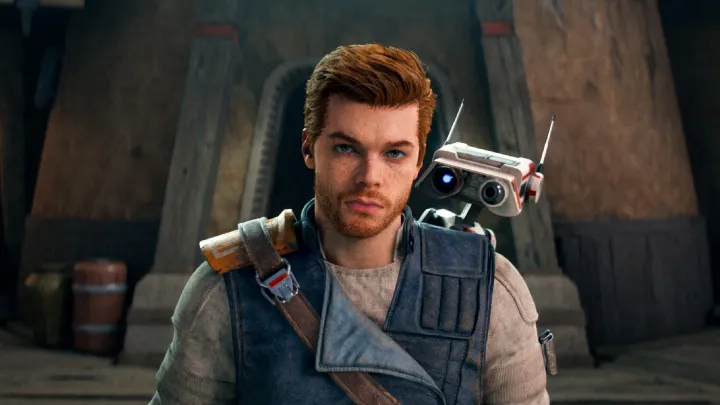


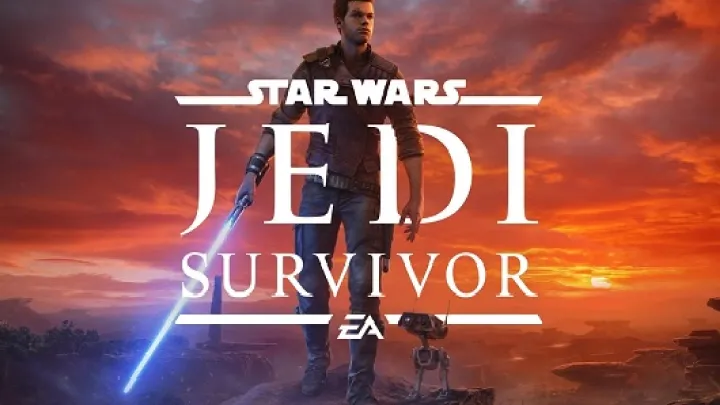
Star Wars Jedi: Survivor is not just a sequel to its predecessor, Jedi: Fallen Order; it is a deeper exploration of identity, purpose, and belonging within the expansive universe of Star Wars. The narrative follows Cal Kestis, a young Jedi Knight struggling to find his place in a galaxy torn apart by conflict and oppression. This article examines how Survivor engages with the theme of identity, focusing on Cal's journey, character relationships, and the philosophical underpinnings that make this game a compelling exploration of self in a chaotic world.
Introduction
Set five years after Jedi: Fallen Order, Star Wars Jedi: Survivor sees Cal Kestis grappling with the consequences of being a Jedi in a dark age. As he navigates a galaxy ruled by the Empire and hordes of enemies, Cal's quest for identity becomes central to the gameplay and narrative experience. Survivor invites players to delve into complex dynamics of growth, transformation, and existential questions that haunt those who bear the burden of power and responsibility. In this article, we will analyze how the game’s design, narrative choices, and character arcs contribute to a nuanced exploration of identity, providing a resonant experience for players.
The Continuation of Cal's Story
The Weight of the Past
At the beginning of Survivor, players find Cal still reeling from the traumas of his past. The events of Fallen Order left him scarred, and the ongoing conflict with the Empire serves as a constant reminder of the heavy burden he carries as one of the last remaining Jedi.
- Survivor’s Dark Setting:
- The game immerses players in a bleak environment, with pervasive remnants of the Jedi Order and the toll that has been taken on its members. The darkness that surrounds Cal not only encapsulates a galactic struggle but reflects his internal battle.
- The atmosphere serves as a representation of Cal's mindset, where hope and despair coexist, and this duality lays the groundwork for the exploration of his identity.
- Post-Traumatic Reflection:
- Cal’s interactions with other characters reveal the depth of his trauma, as he grapples with guilt, fear, and the loneliness that comes with being hunted for his abilities. These encounters peel back layers of his psyche, allowing players to understand the complexities of his struggle for identity.
- The flashbacks and visions that haunt Cal expose his insecurities, forcing him to confront his past choices and the consequences they carry, thus inviting players to empathize with his plight.
The Quest for Purpose
As Cal embarks on his journey, the narrative emphasizes his search for purpose in a galaxy overshadowed by war and tyranny.
- Reclaiming Agency:
- Cal is not merely a passive observer; he actively seeks to define what being a Jedi means to him. His choices throughout the game reflect his evolving understanding of heroism, agency, and responsibility.
- This quest for agency is manifested in gameplay mechanics that encourage exploration and decision-making, allowing players to influence the direction of Cal's story based on their choices.
- The Role of Legacy:
- Survivor delves into the impact of legacy on identity. Cal is constantly aware of the expectations placed upon him as a Jedi, echoing the larger theme of how one’s past influences their current decisions.
- The tension between living up to the ideals of the Jedi Order and creating a new path underscores the significance of self-definition in shaping identity.
Character Relationships: Mirrors of Identity
The Mentor: Cere Junda
Cere Junda plays a pivotal role in Cal's journey, acting as both a mentor and a reflection of his own struggles with identity.
- The Burden of Knowledge:
- As a former Jedi Knight who has endured her own traumas, Cere represents the weight of history and the dangers of attachment. Her relationship with Cal serves to challenge his perceptions of identity, forcing him to confront the reality of what it means to be a Jedi.
- Cere's journey illustrates the implications of failure, as she wrestles with her own mistakes while guiding Cal. This dynamic enriches the narrative, presenting mentorship as a pivotal avenue for self-discovery.
- Interpersonal Growth:
- The evolving relationship between Cal and Cere reflects themes of trust and vulnerability. Through their discussions and collaborative efforts, Cal learns to embrace his past and acknowledge his weaknesses, which gradually leads to a stronger sense of self.
- This mentorship relationship exemplifies how shared experiences can shape identity, reinforcing the motif that growth often occurs through connections with others.
Facing Arcann: The Antagonistic Reflection
Cal's conflict with Arcann serves as another crucial aspect of his identity exploration.
- Duality of Opposing Forces:
- Arcann, as the game's antagonist, mirrors Cal's journey in intricate ways. Both characters struggle with their legacies, but where Cal seeks redemption and purpose, Arcann is consumed by power and revenge.
- Encounters between the two illuminate their contrasting philosophies and methods, causing players to consider the complex nature of identity shaped by choice. Cal’s struggle against Arcann emphasizes the importance of self-awareness in defining one’s character.
- The Dialogical Nature of Conflict:
- The conflict with Arcann encourages Cal to confront and articulate his own beliefs about justice, morality, and self-definition. For Cal, defeating Arcann becomes not just a physical battle, but a battle of ideologies that shapes his identity as a Jedi.
- This thematic clash creates a well-rounded depiction of identity, emphasizing that understanding oneself often requires the influence of external forces.
The Role of Choice in Identity Formation
Player Agency and Narrative Choices
One of the defining features of Survivor is the incorporation of player agency in shaping Cal's identity through meaningful choices.
- Branching Paths:
- Throughout the game, players face crucial decisions that can influence character relationships, combat styles, and narrative outcomes. This design fosters a personal connection to Cal’s identity.
- Players must navigate moral dilemmas that resonate with broader themes of heroism and personal sacrifice, deepening the engagement with the parameters of identity shaped through choices.
- Impact on Relationships:
- As players affect the relationships Cal builds with various characters, they witness changes in dialogue and interactions, resulting in varied narratives. These evolving dynamics underscore how relationships can contribute to personal growth and change.
- Each decision serves as a reminder that identity is not static; it is a fluid entity constantly shaped by interactions and experiences.
Reflective Gameplay Mechanics
The gameplay mechanics chosen by the developers strongly emphasize the importance of choice and identity.
- Skill Trees and Growth:
- Skill trees offer players choices in combat styles, abilities, and play tactics, allowing them to cultivate a unique version of Cal. This mechanic aligns closely with the theme of evolution, showcasing how identity is built through experience.
- The inclusion of customizable lightsaber modifications signifies the personalization of one’s approach as a Jedi, mirroring the broader themes of self-definition.
- Exploration’s Role:
- The game encourages players to explore the galaxy, enhancing their understanding of Cal’s universe and the various factions therein. This exploration allows players to uncover lore that contextualizes Cal’s journey and the philosophies he contemplates.
- By engaging with the world around him, players experience how identity is intertwined with place and context, underscoring the connection between self and environment.
Emotional and Psychological Dimensions
Psychological Trauma and Resilience
As Cal navigates the challenges of the galaxy, psychological trauma remains a prevalent theme in exploring identity.
- Trauma as Identity Shaper:
- Cal’s backstory is saturated with pain, loss, and trauma from both personal experiences and the conflict that surrounds him. These traumatic events are not mere backstory; they actively shape his decisions and psyche as he moves forward.
- The haunting memories of his past illustrate how trauma can either hinder or propel personal growth, reinforcing the complexity of forming an identity influenced by both adversity and resilience.
- Coping Mechanisms:
- Throughout the game, players witness Cal experimenting with different methods to cope with his psychological scars, reflecting the multifaceted nature of healing.
- These moments offer insight into Cal's emotional state, allowing players to understand the internal battles that define him beyond combat and exploration.
Existential Questions
Survivor presents players with existential questions that further complicate the search for identity.
- What Does it Mean to Be a Jedi?
- Cal’s introspection on his role as a Jedi introduces philosophical debates surrounding heroism, duty, and personal beliefs. The game encourages players to confront notions of destiny versus choice, linking Cal's identity as a Jedi to broader themes within the Star Wars universe.
- These questions are not easily answered, showcasing the inherently multifaceted nature of identity, as the struggle for self-definition becomes a personal and often uncomfortable journey.
- Embracing Complexity:
- The narrative fosters an understanding that identity is not binary; it exists in shades of gray. Cal's exploration of his identity reflects the varying motivations of characters throughout the Star Wars saga, revealing the complexities of agency and choice.
- This embrace of complexity invites players to reflect on their own identities and the multitude of factors that shape who they are, encouraging a deeper emotional connection to the character.
The Galactic Context: Identity in the Star Wars Universe
The Role of Factions and Ideologies
In Survivor, Cal’s journey is intrinsically linked to the larger conflicts that define the Star Wars universe, serving as a backdrop for his exploration of identity.
- Galactic Struggles:
- The ongoing battle between the Jedi and the Empire amplifies the theme of identity by contextualizing individual journeys within larger ideological struggles. Cal's navigation of these conflicting forces signifies how identity can be influenced not just by personal experiences but by external conflicts as well.
- Factions within the game—the Empire, Jedi, and resistance movements—represent different interpretations of identity and heroism, allowing players to engage with varying philosophies that challenge Cal’s beliefs.
- Cultural Identity:
- The diverse cultures present within the galaxy allow players to explore different facets of identity as they encounter various races, planets, and belief systems. Cal’s interactions with these cultures serve as opportunities for growth and understanding.
- This cultural richness emphasizes that identity is shaped not only by one’s past but also by engagement with the broader tapestry of existence within the galaxy.
Legacy and Impact
The implications of legacy are evident throughout the narrative, influencing the character development and ideological struggles portrayed in Survivor.
- Histories of Conflict:
- The legacy of the Jedi Order serves both as a burden and as a source of strength for Cal. The teachings and mistakes of past generations echo throughout the game, contributing to the internal conflict that Cal faces as he attempts to carve out his identity.
- By confronting the failings of the Jedi, Cal embodies a new path forward, representing hope amid despair and the potential for change.
- Resistance Against Oppression:
- The fight against the Empire is representative of broader themes of oppression and resistance. Cal’s actions throughout the game signify the choice to stand against tyranny, showcasing how individual identities can emerge from acts of defiance.
- This thematic representation resonates with players, drawing parallels to real-world struggles for identity, justice, and self-definition amid systemic oppression.
Conclusion
Star Wars Jedi: Survivor weaves an intricate narrative that delves into the complexities of identity through the lens of Cal Kestis’s journey. By exploring relationships, choices, and emotional landscapes, the game paints a multifaceted portrait of a young Jedi grappling with trauma, legacy, and existential questions.
As players navigate the galaxy, they are invited to confront their own identities, mirroring Cal’s evolution while posing critical questions about personal growth, agency, and the nature of heroism. Ultimately, Survivor stands as a powerful exploration of identity, reflecting the rich storytelling and thematic depth that the Star Wars franchise is known for—offering a memorable experience that resonates long after the game is complete.